Championing access to myeloma care in the Philippines
MyeSPEAK (Myeloma Support for Patient Engagement, Access and Knowledge) is a registered non-profit organization in the Philippines dedicated to empowering multiple myeloma patients and their carers through policy advocacy, disease awareness, and access to life-saving treatments. Registered with the Securities and Exchange Commission and affiliated with the International Myeloma Foundation (IMF), the Global Myeloma Action Network (GMAN), the Asian Myeloma Network (AMN), the European Society of Medical Oncology (ESMO), the Blood Cancer Alliance of the Philippines (BCAP), and the Philippine Alliance of Patient Organizations (PAPO), MyeSPEAK serves as a credible, unifying voice for the Filipino myeloma community. In 2025, the organization reached key milestones — forming a patient-led Working Group to bring lived experiences into policy discussions, producing Filipino-language Patient Handbooks in partnership with the Philippine College of Hematology and Transfusion Medicine (PCHTM), organizing lay fora to promote early diagnosis and access to financial and medical assistance, and contributing to research on models of care for financing multiple myeloma in low- and middle-income countries. MyeSPEAK continues to build a strong, sustainable network of partners to ensure that multiple myeloma patients in the Philippines can actively participate in the healthcare system and advocate for their right to preventive, curative, and palliative care.

- Share
For more information please contact:
Karen Alparce-Villanueva
Founder & President, MyeSPEAK Phils.
Email: [email protected]
Facebook: myespeakphillipinesinc
Vision:
To be the unifying voice of the community of advocates championing access to preventive, curative and palliative care of multiple myeloma patients in the Philippines.
Mission:
To create a strong and sustainable network of partners to empower multiple myeloma patients and carers to advocate for their rights and to ensure active participation in the Philippine healthcare system.

Impact:
Patient-Led Working Group
Gathered lived experiences and concerns of myeloma patients, forming the basis for discussions with policymakers to advance access to life-saving treatments.
Filipino-Language Patient Handbooks
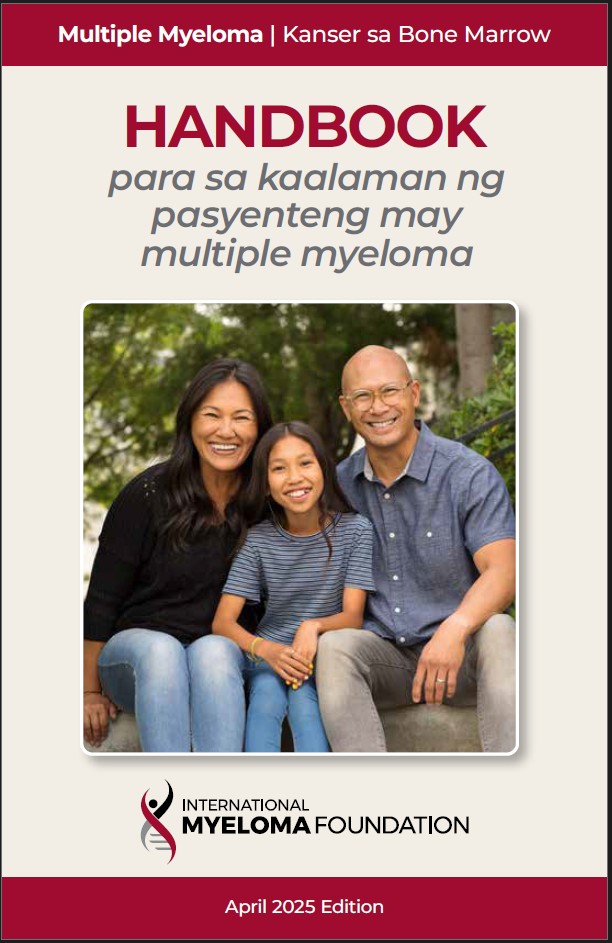
Produced in partnership with the Philippine College of Hematology and Transfusion Medicine (PCHTM) and the International Myeloma Foundation, distributed to patients through their doctors.
Awareness Fora
Organized two lay fora and participated in an additional forum to promote early diagnosis, access to financial and medical assistance, and encourage early consultation.
Research on Models of Care
Conducting a research paper on financing multiple myeloma in low- and middle-income countries to provide evidence-based policy recommendations for enhanced government support.
MyeSPEAK Phils. Convenes Policy Roundtable to Highlight Myeloma Awareness Month
As the country observed Myeloma Awareness Month last March, attention must turn to a disease that remains largely underrecognized, yet affects mostly seniors who have just retired and looking forward to enjoying their years after working so hard: multiple myeloma.
This blood cancer, which affects the bone marrow, is the 2nd most common hematologic malignancy in the Philippines. Multiple myeloma affects the bone marrow, weakening the body’s ability to fight infections, damaging bones, and, in many cases, becoming a long-term, life-altering illness. But beyond the clinical definition lies a more pressing reality—many Filipinos with multiple myeloma are not getting the care they need, when they need it, and without catastrophic financial consequences.
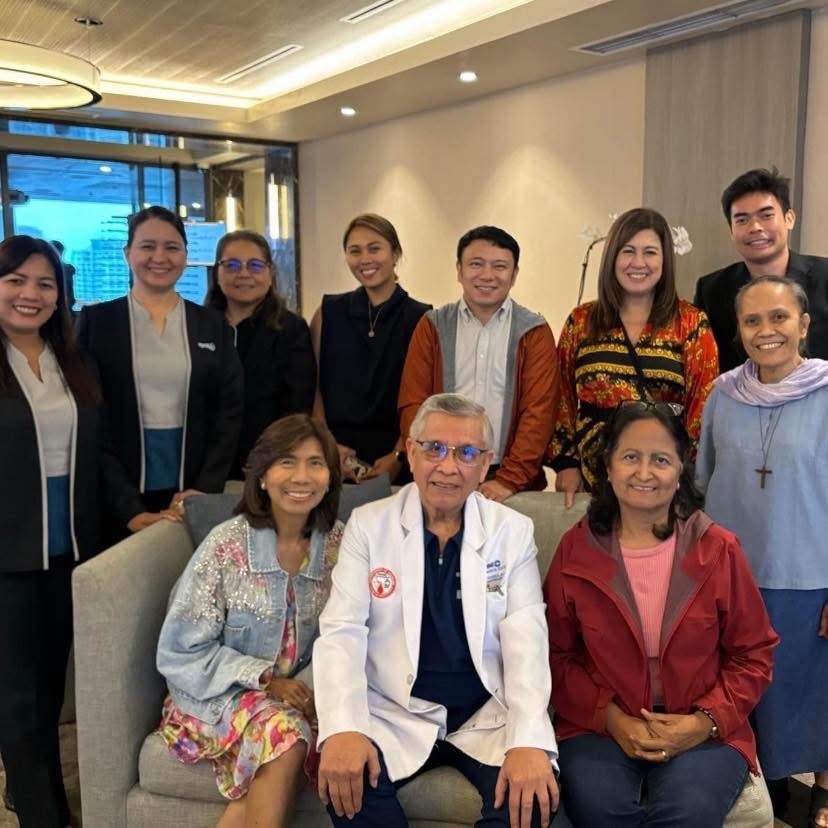
Last March 31, key stakeholders such as healthcare professionals, policymakers and patients and their families, gathered for a Policy Roundtable Discussion to identify the 3 most urgent actions needed to be taken to address access. For many Filipinos, the real battle is not just the disease—it is the struggle to access timely diagnosis, effective treatment, and affordable care.
Behind every case is a difficult journey. Patients often experience delays in diagnosis because symptoms can be vague and specialized tests are not widely available. For those outside major cities, the challenge is even greater. What should be a straightforward medical pathway becomes a long and exhausting search for answers.
Even after diagnosis, the burden continues. While medical advances have transformed multiple myeloma into a more manageable condition in many countries, access to these treatments in the Philippines remains limited. Only a fraction of globally available therapies can be accessed locally, and even fewer are covered by government programs. This leaves many families facing high out-of-pocket costs—sometimes forcing impossible choices between treatment and financial survival.
There are encouraging signs. Under the Universal Health Care law, the government has begun expanding cancer services, including outpatient care and palliative support. But for multiple myeloma patients, critical gaps remain—particularly in access to medicines, advanced diagnostics, and procedures such as stem cell transplantation.
This is why recent calls from healthcare experts, policymakers, and patient advocates deserve urgent attention.
First, life-saving medicines must become more accessible. Fast-tracking the inclusion of essential myeloma drugs in the Philippine National Formulary can significantly improve patient outcomes.
Second, health insurance coverage must go further. A dedicated benefit package for multiple myeloma—covering diagnostics, medicines, and advanced treatments—can help protect families from financial catastrophe.
Third, the country needs standardized Clinical Practice Guidelines. Without them, care can vary widely depending on where a patient lives, deepening existing health inequities.
Fourth, better data is needed. Establishing a national registry for multiple myeloma will not only improve understanding of the disease but also guide smarter, evidence-based policies.
Finally, we must not forget the human side of care. Multiple myeloma is often a lifelong condition. Patients need ongoing support—not just treatment, but also monitoring, rehabilitation, and psychosocial care. Equally important is ensuring that patients know what help is already available to them.
Addressing these gaps is not just a technical challenge—it is a shared responsibility. Government agencies, healthcare providers, researchers, and patient organizations must work together to turn policy into real, tangible improvements in people’s lives.
Multiple myeloma may not always make headlines. But for the families affected, its impact is immediate, profound, and often overwhelming.
This Myeloma Awareness Month, awareness must lead to action. Because no Filipino battling cancer should also have to fight for access to care.
Multiple myeloma remains an underrecognized blood cancer in the Philippines, disproportionately affecting older adults and creating significant financial burdens for patients and families. Discussions during the March 31 policy roundtable highlighted persistent barriers including delayed diagnosis, limited access to specialized diagnostics, inadequate availability of first-line therapies, and insufficient public financing for treatment. Philippine stakeholders emphasized the urgent need to expand inclusion of lifesaving medicines in the Philippine National Formulary and establish a comprehensive Philippine Health Insurance Corp. benefit package covering diagnostics, chemotherapy, maintenance therapy, and transplantation. Advocacy groups such as MyeSPEAK Phils. Inc. also stressed the importance of standardized clinical guidelines and long-term patient support systems. The policy discussion underscored that improving equitable access to innovative therapies and supportive care is essential to transforming multiple myeloma into a manageable chronic condition in the Philippines.
https://opinion.inquirer.net/191374/understanding-a-cancer-filipinos-should-no-longer-overlook/amp
Multiple myeloma in the Philippines continues to be diagnosed late because symptoms such as persistent back pain and fatigue are often mistaken for common conditions like anemia or orthopedic issues.Dr. Rosalio Torres, Philippine hematologist and founding president of PCHTM, explained that delayed recognition, combined with the high cost of specialized diagnostic testing, significantly affects timely diagnosis and treatment outcomes. Karen Alparce-illanueva, Founder and president of MyeSPEAK Philippines, highlighted major disparities in treatment access, particularly because frontline therapies such as bortezomib and lenalidomide are not included in the Philippine National Formulary. Advanced therapies including stem cell transplant and CAR-T therapy remain financially inaccessible for many Filipino patients. Advocacy groups such as MyeSPEAK Philippines continue to promote patient education, financial support access, and awareness campaigns aimed at improving long-term outcomes and equitable care.
Multiple myeloma affects approximately 932 Filipinos annually, ranking as the second most prevalent blood cancer in the country. Diagnosis is often delayed due to symptom overlap with other conditions, limited access to specialized tests, and low public awareness. The 2nd Multiple Myeloma Lay Forum highlighted the socioeconomic, logistical, and emotional burdens patients face, emphasizing the need for holistic support and frontline treatments. Despite global improvements in survival rates, Filipino patients face a five-year survival rate of just 45.6%, underscoring disparities in access and care. Efforts are focused on advocacy, patient empowerment, and government collaboration to improve outcomes nationwide.
2025 Multiple Myeloma Lay Forum by MyeSPEAK
Sa pakikipagtulungan ng Philippine College of Hematology and Transfusion Medicine, pinagsama ng MyeSPEAK ang doctors, patients, at advocates para pag-usapan ang diagnostic challenges, new treatment options tulad ng immunotherapy, at ang totoong epekto ng delayed diagnosis at mataas na gastos sa gamutan.
Patuloy ang panawagan para sa mas malakas na national support, mas pinalawak na benepisyo mula sa PhilHealth, at mas maayos na access sa gamot at specialists.